DRY NEEDLING
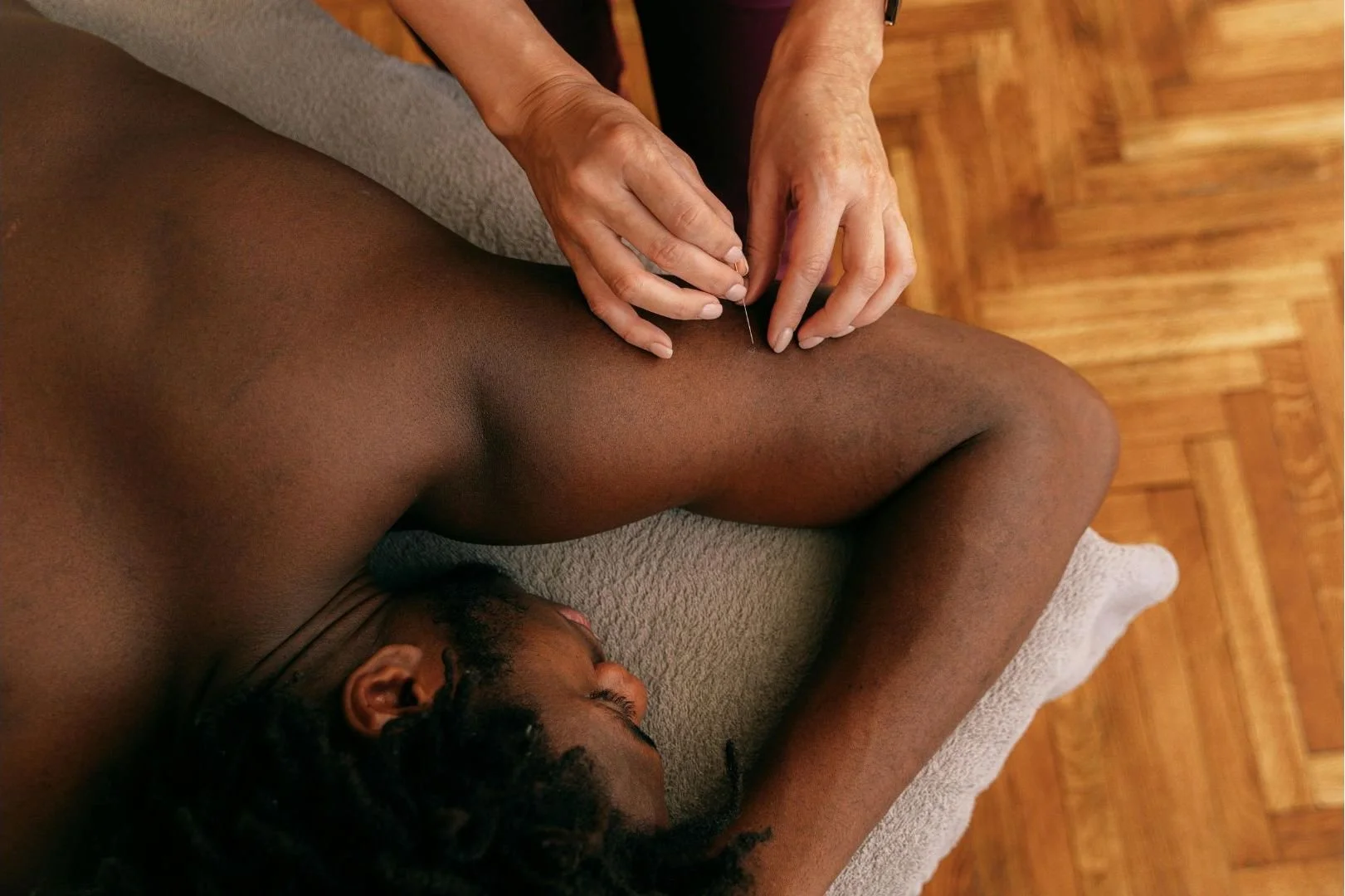
Dry needling is a precise, evidence-based technique used to reduce pain, restore mobility, and improve muscle and tissue function. At MVMT MTHD, dry needling is used as a targeted clinical tool within a full performance physical therapy plan, not a standalone treatment.
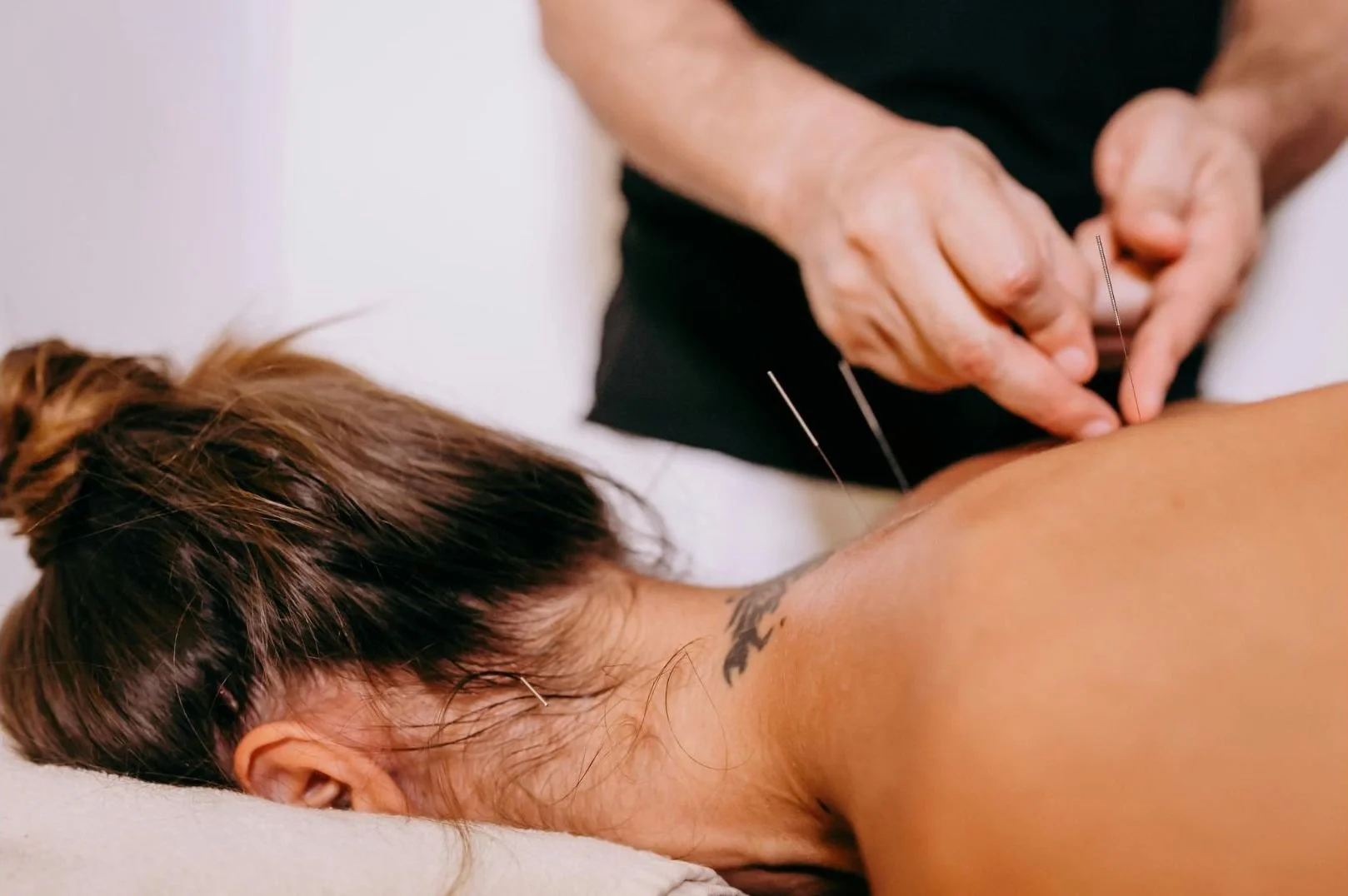
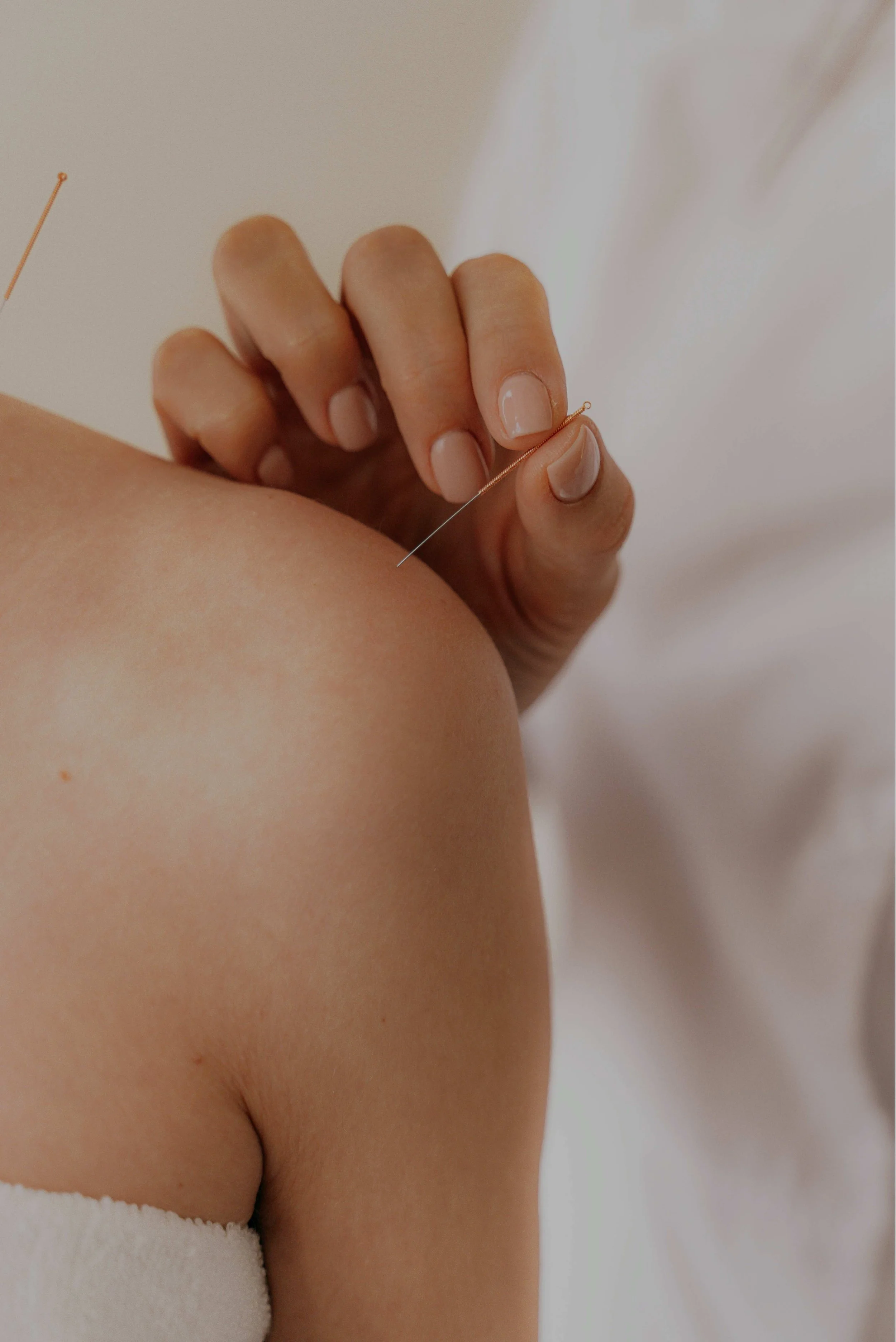
By inserting very fine, sterile needles into specific areas of muscle, fascia, and connective tissue, dry needling helps reduce excessive tension, improve local blood flow, normalize nervous system input, and stimulate the body’s natural healing response. This allows restricted or painful tissues to relax, reset, and tolerate movement and loading more effectively.
What Can Dry Needling Help With?
Dry needling is commonly used for:
Muscle tightness and trigger points
Chronic or recurring pain
Tendon and overuse injuries
Neck, shoulder, hip, and low back pain
Headaches related to muscular tension
Mobility limitations and movement restrictions
Return-to-training or return-to-sport support
It is especially helpful when pain is persistent, movement feels blocked, or progress has plateaued with traditional exercise alone
Our Approach
Dry needling at MVMT MTHD is always paired with:
Comprehensive movement and biomechanical assessment
Progressive strength and loading programs
Mobility, stability, and neuromuscular retraining
Performance-driven rehab specific to your goals
Our focus is not just relieving pain. It is restoring how your body moves, builds capacity, and performs so you can train, compete, and live with confidence.
FAQs
-
Most patients feel little to no pain when the needle is inserted. You may experience a brief muscle twitch, ache, or cramping sensation when a tight or irritated area is treated. This response is normal and often followed by a feeling of release or improved movement. Mild soreness can occur for 24 to 48 hours, similar to how muscles feel after a good training session.
-
Dry needling is based on modern anatomy, neuroscience, and orthopedic research. It targets specific muscles, tendons, and connective tissues that are contributing to pain or movement dysfunction. The goal is to restore tissue quality, improve neuromuscular control, and support rehabilitation and performance. Acupuncture is rooted in traditional Chinese medicine and focuses on energy pathways rather than musculoskeletal function.
-
The number of sessions varies based on your condition, how long symptoms have been present, and your performance goals. Some people notice improvement after one session, while others benefit from dry needling being integrated periodically into their overall treatment plan. At MVMT MTHD, dry needling is always combined with movement, strength, and rehab strategies to create lasting results, not short-term relief.